The ambition behind the idea
In a LinkedIn post, I described an idea for a research and development company working at the frontier of robotics, AI, spatial computing and extended reality. I imagined a place that could contribute to these fields while developing practical applications in areas such as agriculture, healthcare, education and manufacturing.
That ambition still matters to me. So does a question underneath it: are we giving ourselves enough time to understand the technologies we want to innovate with? A convincing demonstration is a useful beginning. Building the knowledge to explain, improve and test it takes sustained work.
Learning is part of the work
When I say we need to learn before we can innovate, I mean developing an understanding we can build on. Studying existing work, reproducing an approach and examining why it succeeds or fails are valuable engineering activities. They give us a basis for deciding what to change.
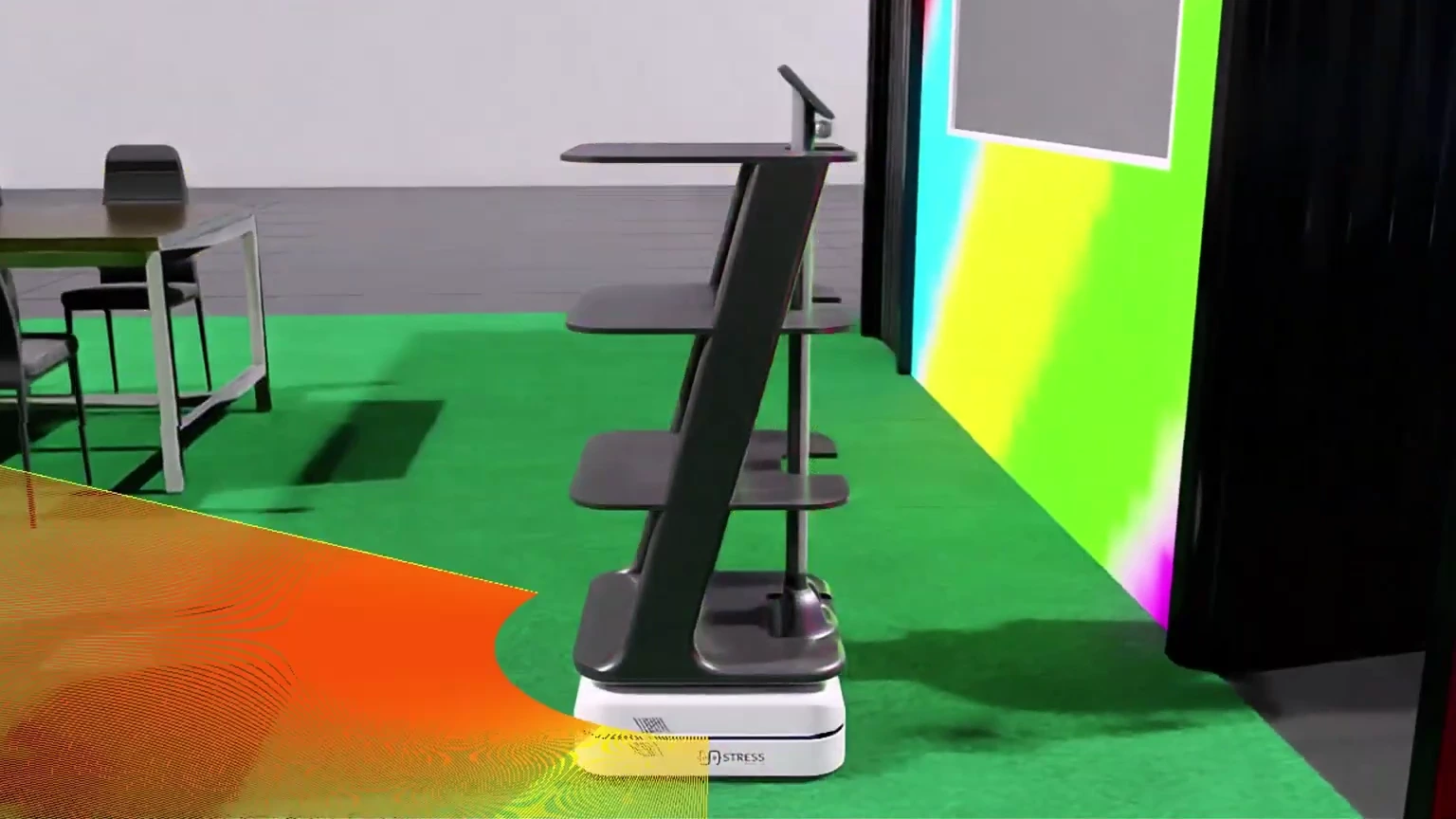
With a robot, for example, an impressive motion sequence leaves plenty of questions open. What does the system sense? Which assumptions does its controller depend on? How does its behaviour change when the environment changes? Those questions turn interest in a technology into a programme of investigation.
We should be able to document that process openly: the question, the setup, the observations and the limits of what we can claim. A failed experiment can still leave the next person with something useful to learn from.
Global standards, local questions
My concern is whether we are creating enough opportunities for rigorous frontier R&D in both industry and academia. I want work grounded in Nigerian needs to engage seriously with the wider research community, through careful methods, clear evidence and honest reporting.
Local context gives us worthwhile questions. It also asks us to understand the people, operating conditions and constraints around a proposed system. Adapting an existing approach thoughtfully can be valuable work. We need the depth of understanding to know what the adaptation achieves and how to assess it.
Give research somewhere to grow
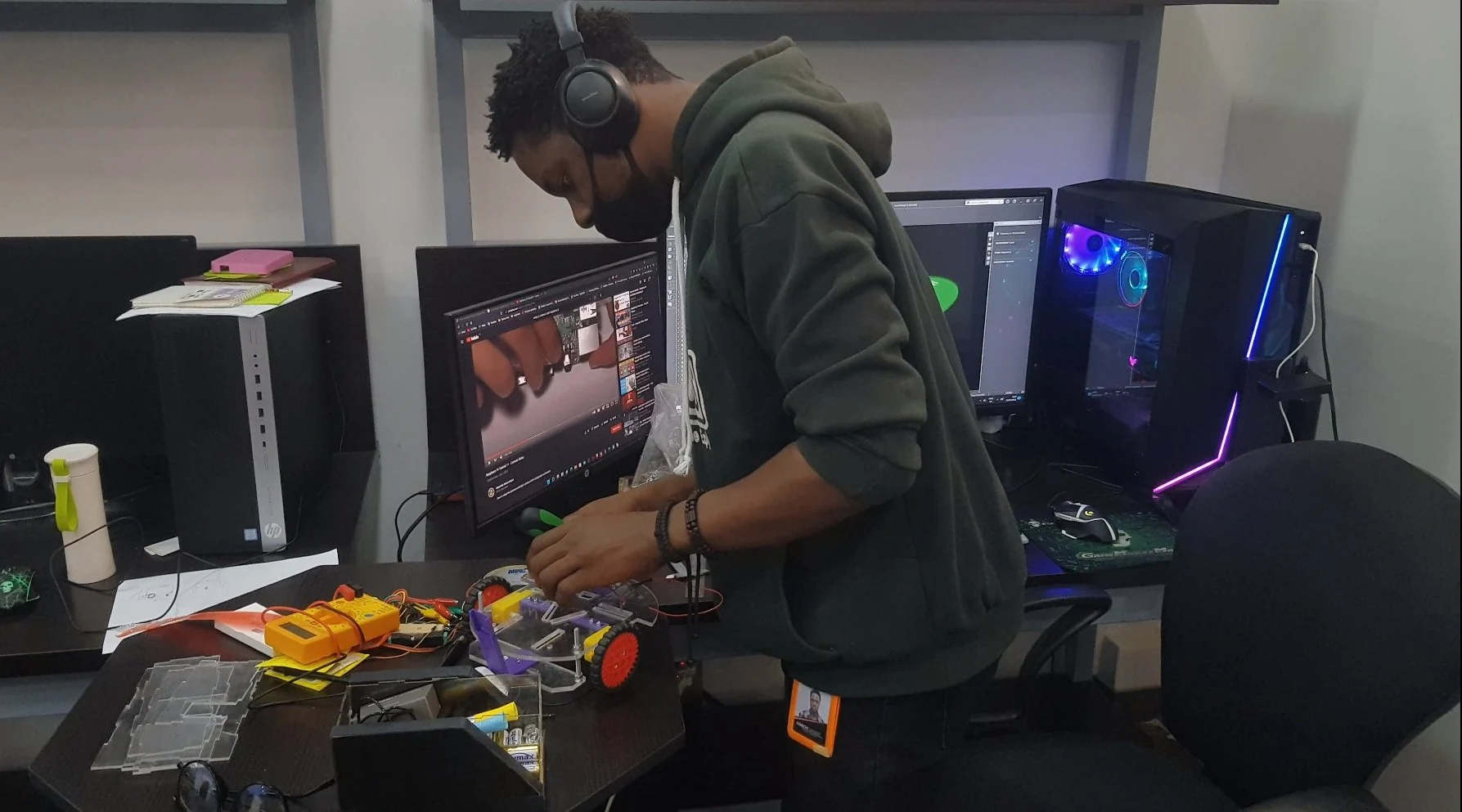
This kind of work needs people, mentorship, equipment and continuity. My experience developing projects and establishing labs at Innov8 Hub has made me interested in the conditions that let an idea become something testable: a working environment, access to tools and people who can challenge your thinking.
The organisation I imagined would make room for commercial applications and research with a wider public benefit. Some projects may become products; others may produce methods, shared knowledge or better questions. A sustainable business needs revenue, alongside deliberate space for learning that takes longer to pay off.
An invitation to build that capacity
The original post was an invitation to a community. I would like more researchers, engineers, mentors and organisations to create places where young people can learn deeply and contribute meaningfully. The idea is bigger than any one person.
For my own work, this journal is a small step in that direction: a place to explain decisions, document experiments and make ideas available for discussion. The goal is to build the understanding and evidence that make our ambitions achievable.