Translate activities into requirements
Designing, fabricating, simulating and testing place different demands on a workspace. I translated team workflows into equipment specifications, procurement requirements and layouts. The starting point was the activity, then the tools and space needed to make it possible.
That ordering gives equipment decisions a practical test: what will people be able to do with this setup, and how does it connect to the rest of their work?
Plan three connected workflows
The three labs supported connected kinds of development. Product design carried concepts toward physical prototypes. Simulation supported immersive and virtual work. Robotics brought mechanical, electronic and software experimentation together.
The opportunity in planning these spaces is to make the relationship between disciplines easier to use. A prototype may move through several kinds of work before it becomes a convincing demonstration. The lab should support that progression.
Carry the plan into use
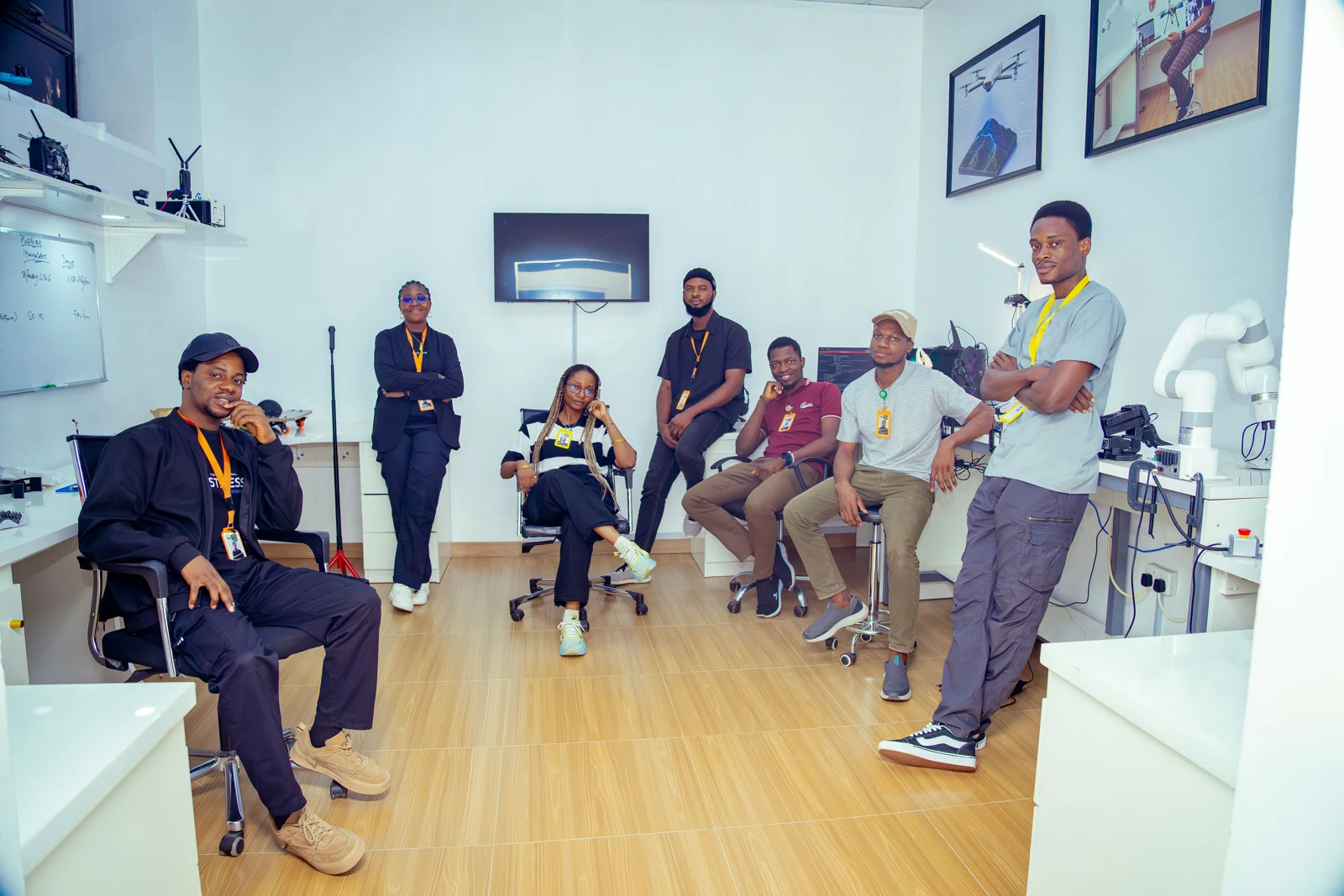
My role extended from planning and procurement requirements into establishing and leading the facilities. The resulting spaces supported fabrication, immersive development, robotics experimentation and training.
This is the part of technical leadership I want to document here: the connection between engineering choices, the environment a team works in and its ability to turn an idea into something testable.